
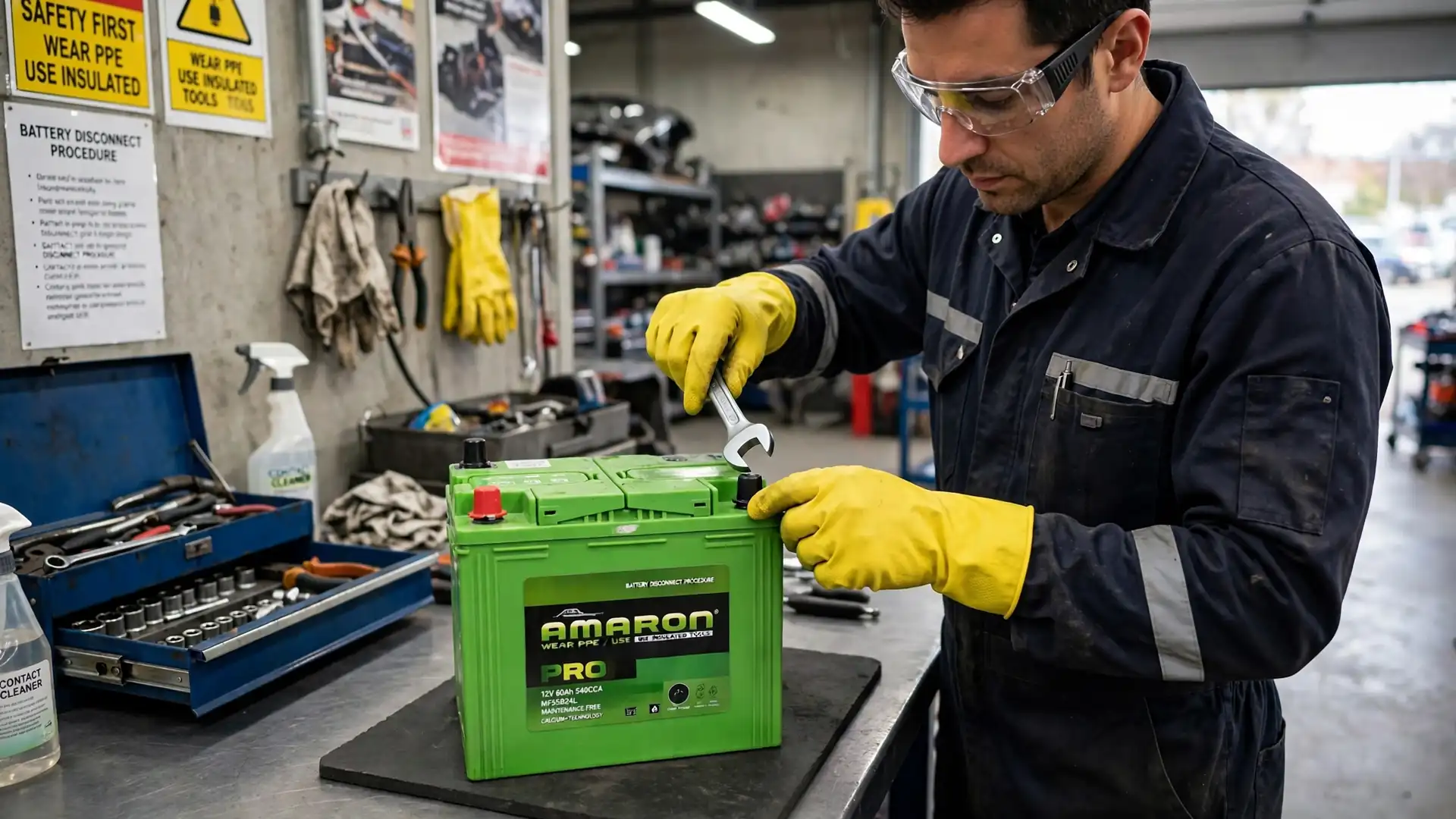
A car battery is built to provide steady electrical power, but like any electrical part, it can become unsafe when it is damaged or used incorrectly.
An Amaron battery can explode in rare cases, usually because of gas buildup, a spark, overcharging, a damaged battery, or a poor electrical connection. Modern batteries have safety features, but these do not remove every risk.
Good installation, correct charging voltage, clean terminals, and proper battery care can greatly reduce the chance of an accident.
Can an Amaron Battery Really Explode?
Yes, a lead-acid car battery can explode, but this is uncommon when the battery and charging system are working correctly. During normal charging, a lead-acid battery can produce small amounts of hydrogen and oxygen gas.
These gases are normally released through the battery’s venting system. If hydrogen collects around the battery and a spark occurs, the gas can ignite. A damaged battery, blocked vent, incorrect charging, or a loose connection can increase the risk.
The danger is not limited to one brand, as the same basic battery chemistry can create this risk in other lead-acid batteries.
How Does a Car Battery Explosion Happen?
A battery explosion usually involves a mix of flammable gas and an ignition source. When a lead-acid battery charges, electrolysis can produce hydrogen gas. Hydrogen is highly flammable and can form an explosive mixture with air when it reaches a suitable concentration.
A spark from a loose terminal, jumper cable, electrical connection, or nearby ignition source can ignite the gas. Internal battery faults can create another risk.
If a battery develops an internal short circuit or severe damage, heat and electrical arcing may occur. These conditions can lead to cracking or, in rare cases, an explosion.
Main Causes of Amaron Battery Explosions
Hydrogen Gas Buildup
Hydrogen gas is one of the main reasons a lead-acid battery can become an explosion risk. During charging, especially when a battery is overcharged, more gas may be produced. If the gas does not escape properly, it can collect around the battery.
Hydrogen is very light and can spread quickly, but it can still become dangerous in an enclosed space. A spark is enough to ignite it. Proper battery ventilation and a healthy charging system help lower this risk. Drivers should never smoke or use an open flame near a car battery.
Overcharging
Overcharging happens when a battery receives too much charging voltage or current for too long. This can cause excessive gassing, heat, and electrolyte loss. A faulty alternator, voltage regulator, or unsuitable external charger can cause this condition.
In severe cases, overcharging can damage the battery’s internal plates and increase pressure inside the battery. The charging voltage should be checked if a battery becomes unusually hot, loses fluid, or repeatedly fails.
Replacing a battery without fixing an overcharging problem may cause the new battery to suffer the same damage.
Loose Battery Terminals
Loose terminals can create electrical resistance and may produce sparks when current flows through the connection. The starter motor can draw a large amount of current, so a poor connection can become hot.
A loose terminal may also cause intermittent power loss and starting problems. If hydrogen gas is present around the battery, a spark from a poor connection can become a serious safety concern.
Battery terminals should be fitted tightly and checked during Amaron battery replacement. They should be clean and free from heavy corrosion so that electrical current can flow properly.
Damaged Battery Case
The plastic case protects the internal parts of a battery. A cracked, swollen, or badly damaged case should never be ignored. Physical damage can allow electrolyte to leak and may affect the battery’s internal structure.
A damaged battery can also have problems with its venting system. In some cases, a battery may become swollen because of overcharging, excessive heat, or an internal fault.
If the battery case is cracked or bulging, do not try to repair it yourself. Turn off the vehicle if it is safe to do so and have the battery checked by a trained technician.
Short Circuit Inside the Battery
A short circuit can happen when internal battery components become damaged or when conductive material creates an unwanted connection between plates. This can lead to rapid discharge, heat, or other internal faults.
In severe cases, an internal short may create enough heat to damage the battery. Internal problems are difficult to diagnose through a simple visual inspection.
A battery tester can help identify poor battery condition, but unusual heat, swelling, leakage, or a strong smell should be treated as warning signs. A battery with suspected internal damage should be replaced rather than opened or repaired.
Can UAE Heat Increase Battery Explosion Risk?
High temperatures can place extra stress on lead-acid batteries. The UAE’s hot climate can raise the temperature around the battery, especially inside an engine bay. Heat can speed up chemical reactions inside the battery and increase water loss and corrosion.
If the charging system is already overcharging, high temperatures can make the problem worse. This does not mean an Amaron battery will normally explode because of UAE heat.
Proper battery selection, healthy charging voltage, good ventilation, and regular inspections remain important. Drivers should pay extra attention to batteries that show swelling, leakage, unusual heat, or repeated charging problems.
Warning Signs of a Dangerous Battery
A battery may show signs of trouble before a serious failure occurs. Drivers should not ignore changes in battery condition, especially if several symptoms appear together.
Common warning signs include:
- Swollen battery case: This can point to heat, overcharging, or internal damage.
- Battery fluid leakage: Acid leakage can damage nearby parts and create a safety hazard.
- Strong rotten-egg smell: This may indicate excessive charging or a battery fault.
- Unusual battery heat: A very hot battery needs immediate inspection.
- Repeated battery failure: Frequent discharge may point to a charging or electrical problem.
- Heavy terminal corrosion: Excess corrosion can indicate battery or charging issues.
- Cracked case: A damaged case can allow electrolyte to escape and should be replaced.
- Unusual sounds: Hissing or bubbling during charging can indicate excessive gassing.
These signs do not always mean an explosion is about to happen, but they are reasons to stop and have the battery checked.
How to Prevent an Amaron Battery Explosion
Keep the Charging System Healthy
The alternator and voltage regulator control how the battery receives electrical power while the engine is running. If the charging voltage is too high, the battery can become overcharged. A technician can use a multimeter or battery tester to check the charging system.
In many conventional 12-volt cars, charging voltage is often around 13.8 to 14.4 volts, although the correct range depends on the vehicle and its charging system. If the voltage is outside the manufacturer’s recommended range, the cause should be fixed instead of simply replacing the battery.
Install the Battery Correctly
Correct installation reduces the chance of loose connections and movement. The battery should sit securely in its tray, and the hold-down bracket should be fitted properly. Positive and negative terminals must be connected to the correct posts.
The connections should be tight and clean. Incorrect installation can cause electrical problems and may damage the battery or vehicle electronics. A professional technician can also check the battery size, CCA, Ah capacity, terminal layout, and battery type before installation. This is especially important for modern cars with start-stop systems and complex electronic controls.
Avoid Sparks Near the Battery
Sparks are one of the most important ignition risks around a lead-acid battery. Do not smoke near the battery or use an open flame nearby. When using jumper cables, the connections should be made carefully according to the vehicle and battery manufacturer’s instructions.
Tools should not be placed across the battery terminals because metal can create a short circuit. Even a small spark can ignite hydrogen if enough gas has collected around the battery. Keeping the area around the battery free from ignition sources is a simple but important safety step.
Do Not Use a Damaged Battery
A battery with a cracked case, swelling, leakage, or other serious damage should not be kept in service. Continuing to use a damaged battery can increase the chance of electrical problems and acid exposure.
Do not open the battery, puncture the case, or attempt to repair internal components. Battery acid is corrosive and can cause serious injury if it contacts the skin or eyes.
A damaged unit should be handled by a trained technician or an approved battery recycling service. Safe replacement is usually a better option than trying to extend the life of a damaged battery.
What Happens During Battery Charging?
A lead-acid battery stores energy through a chemical reaction between lead-based plates and electrolyte. When the battery is charged, electrical energy reverses the discharge reaction.
During this process, some gas can be produced, especially as the battery approaches full charge. Modern battery designs are made to manage normal gas release, but excessive charging can increase gassing.
This is why the vehicle’s charging system needs to be in good condition. A battery charger should also be suitable for the battery type and used according to the manufacturer’s instructions.
Is a Maintenance-Free Amaron Battery Completely Risk-Free?
No battery should be treated as completely risk-free. Maintenance-free designs reduce the need for routine electrolyte checks, but they still contain chemical and electrical components that require safe handling.
A maintenance-free lead-acid battery can still be affected by overcharging, heat, internal faults, physical damage, or poor connections. The term “maintenance-free” mainly means that the battery does not normally require regular topping up of electrolyte under normal conditions.
Drivers should still inspect the battery from time to time and have it tested if starting performance changes.
Can a Weak Battery Explode?
A weak battery does not automatically mean it will explode. A battery may become weak because of age, repeated short trips, long parking periods, parasitic drain, or normal wear.
However, a weak battery can sometimes be connected to another problem, such as a faulty alternator or poor electrical connection. Repeated attempts to charge a damaged or faulty battery can create additional stress.
If a battery repeatedly loses charge or becomes unusually hot while charging, it should be tested. The cause should be found before continuing normal use.
Battery Explosion Risk During Jump-Starting
Jump-starting is common when a car battery becomes discharged, but it should be done carefully. An incorrect connection can create a short circuit and sparks. Drivers should follow the instructions in the vehicle owner’s manual and the jumper cable manufacturer’s guidance.
If the battery is swollen, cracked, leaking, or visibly damaged, do not attempt to jump-start it. A damaged battery should be inspected and replaced safely.
If there is doubt about the condition of the battery or the correct jump-start procedure, roadside battery assistance is a safer choice than taking unnecessary risks.
What to Do If a Battery Looks Dangerous
If you notice swelling, smoke, heavy leakage, strong odor, or unusual heat from a car battery, move away from the vehicle if there is an immediate danger and avoid creating sparks. Do not touch leaking electrolyte with bare hands.
If the vehicle is running and it is safe to switch it off without approaching a dangerous battery, do so. Do not attempt to open or repair the battery.
Contact a qualified roadside or battery service for assistance. If there is smoke, fire, or an active explosion risk, contact the local emergency service rather than trying to handle the situation yourself.
Final Thoughts
An Amaron battery explosion is rare, but it is possible when conditions such as hydrogen gas buildup, overcharging, sparks, internal faults, or physical damage are present. Good battery care can greatly reduce these risks.
Drivers should pay attention to swelling, leakage, unusual heat, strong smells, repeated battery failure, and damaged terminals. The charging system should be checked regularly, especially when a battery repeatedly loses power. Correct installation and safe handling are equally important.
If your current battery is weak, damaged, or showing warning signs, Battery Zone UAE can help you purchase an Amaron battery with professional battery replacement service. Getting the right battery installed correctly can help keep your car safe, reliable, and ready for the road.